Tired of knee pain controlling your life?
Learn what could really help.
Conventional treatments often only mask symptoms. Discover a natural option that supports relief by addressing discomfort
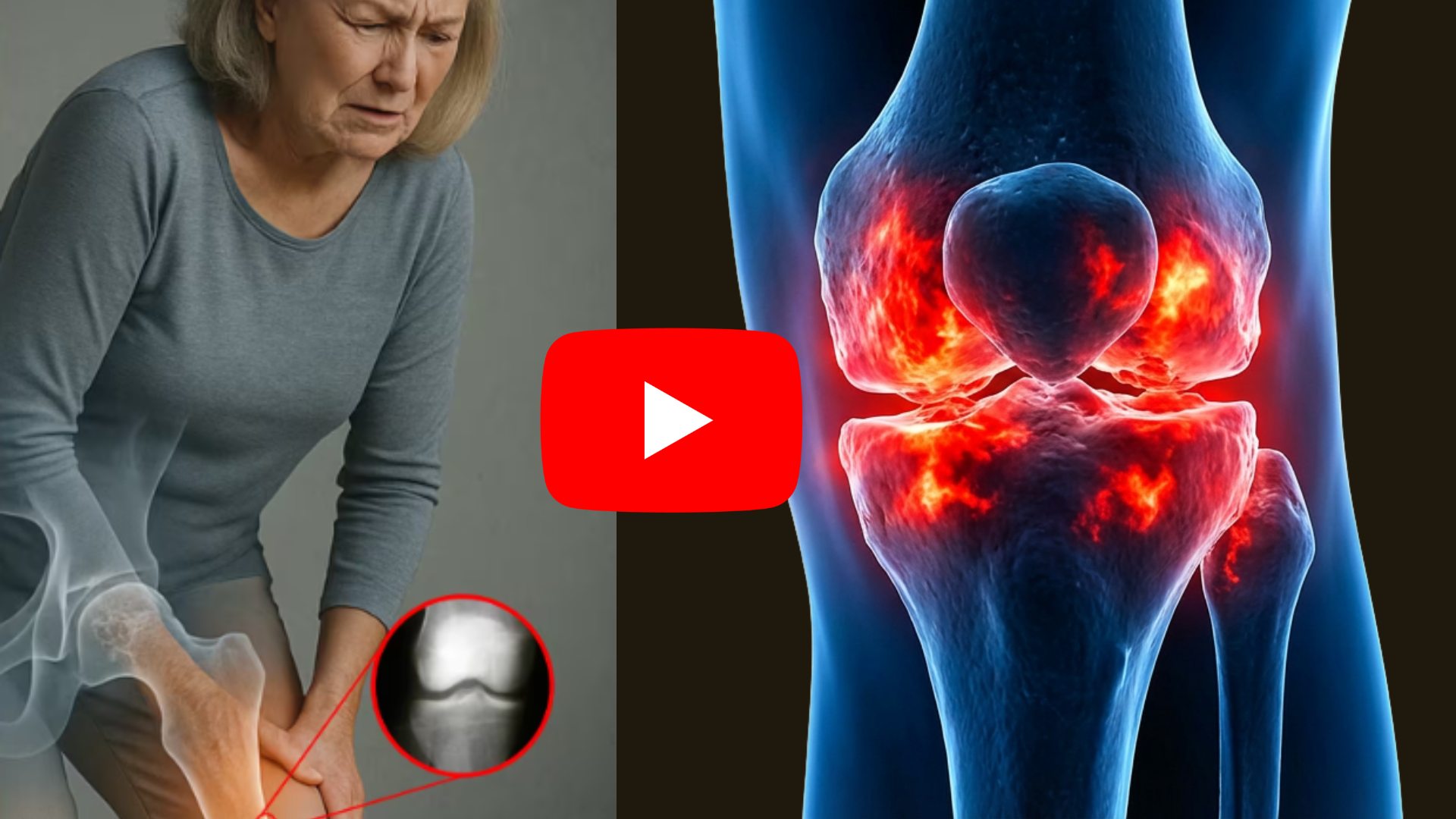
If these symptoms sound familiar, they might point to deeper joint damage
- ⚠️ Stiff knees after resting or sitting
- ⚠️ Cracking or grinding sensations during movement
- ⚠️ Reduced strength or stability in the legs
- ⚠️ Difficulty climbing stairs or standing up
- ⚠️ Fear of losing balance or falling
- ⚠️ Avoiding activities you once enjoyed
These aren’t just signs of getting older. They often point to progressive joint deterioration and ignoring them can make recovery harder. Most treatments only mask the pain instead of solving what’s happening inside.
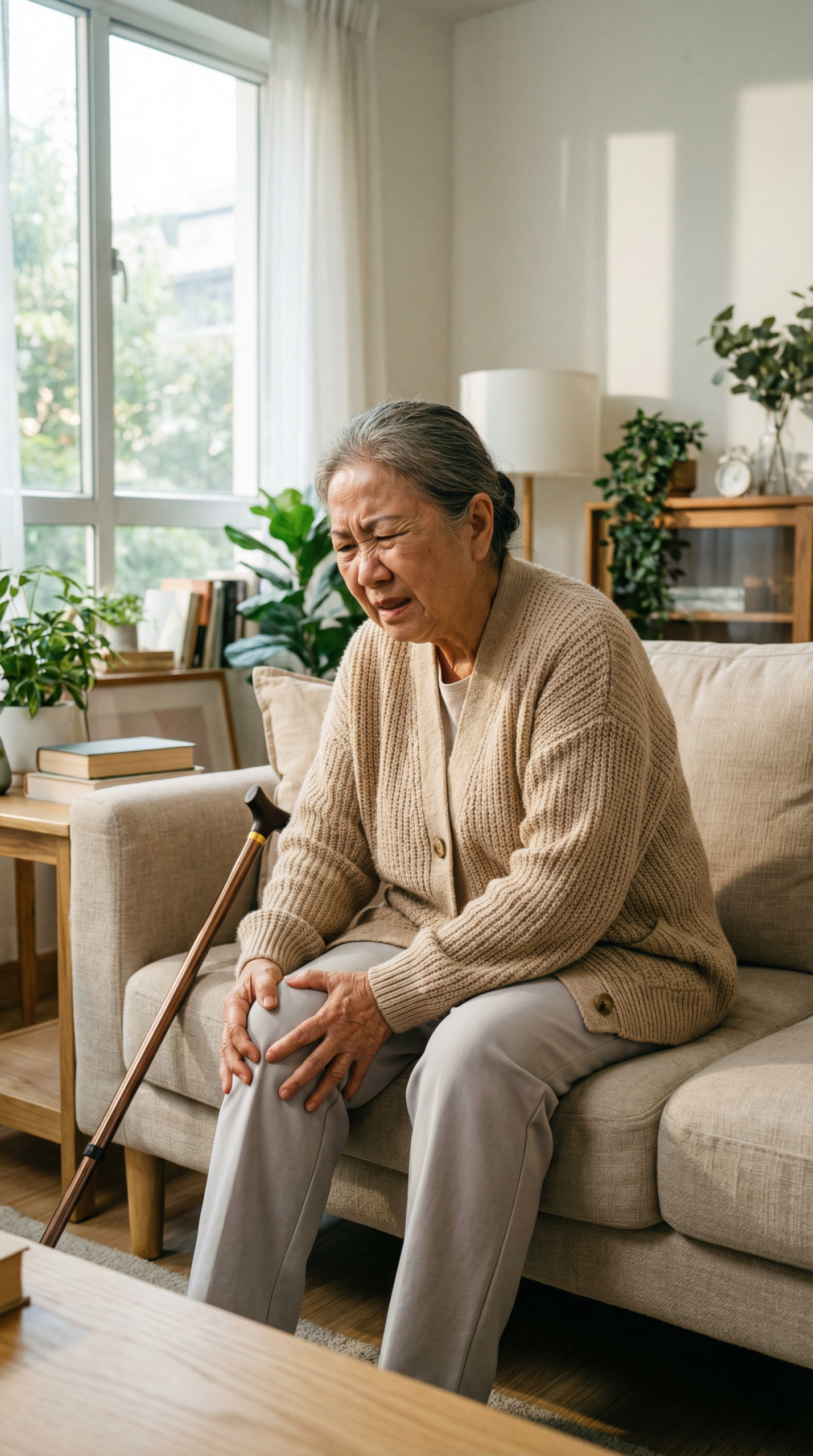
“Is This How It Begins?”
She had always been independent. Confident. Active.
But over time, her knees began to resist. Subtle at first a little tension, a strange sensation, some hesitance going down stairs.
She blamed it on age, on overuse, on everything but the real issue.
Until one afternoon, she needed both hands to stand from the couch. That wasn’t her. That wasn’t normal.
That moment sparked a question: “What’s really happening inside my joints?”
The pain was more than physical it was fear of what could come next.
Doctors said the usual: “It’s wear and tear.” “It happens.”
But she wanted clarity, not clichés. And when she uncovered what was actually going on a progressive breakdown inside the joints it all made sense.
It wasn’t her fault. And it wasn’t too late.
For the first time, she understood what kind of treatment could actually help. Natural. Targeted. Rooted in science.
That was the turning point. From uncertainty to action.
Real Stories From People Who Found a Different Path
Nancy, 58
★★★★★
“I was tired of masking the pain. This helped me understand what was actually happening and finally gave me something that made a difference.”

Carol, 71
★★★★★
“I had lost hope. But after understanding the real cause of my knee issues, I finally felt like I had options again and it changed everything.”
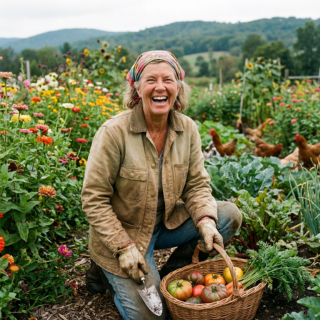
Linda, 59
★★★★★
“I used to believe joint pain was inevitable. Learning about a natural approach gave me back control and relief I didn’t expect.”